Inside the $14,000 NASA-Studied Light Technology That Lets You Give Your Liver 15 Quiet Minutes a Night — At Home
If your mornings start sluggish no matter how early you go to bed, if your midsection feels heavier at dinner than it did at breakfast, or if you’ve quietly filled a cabinet with half-finished supplement bottles — take five minutes and read this before you buy one more thing.
An independent editorial look at at-home red-light wellness — researched, tested, and written by our health desk.
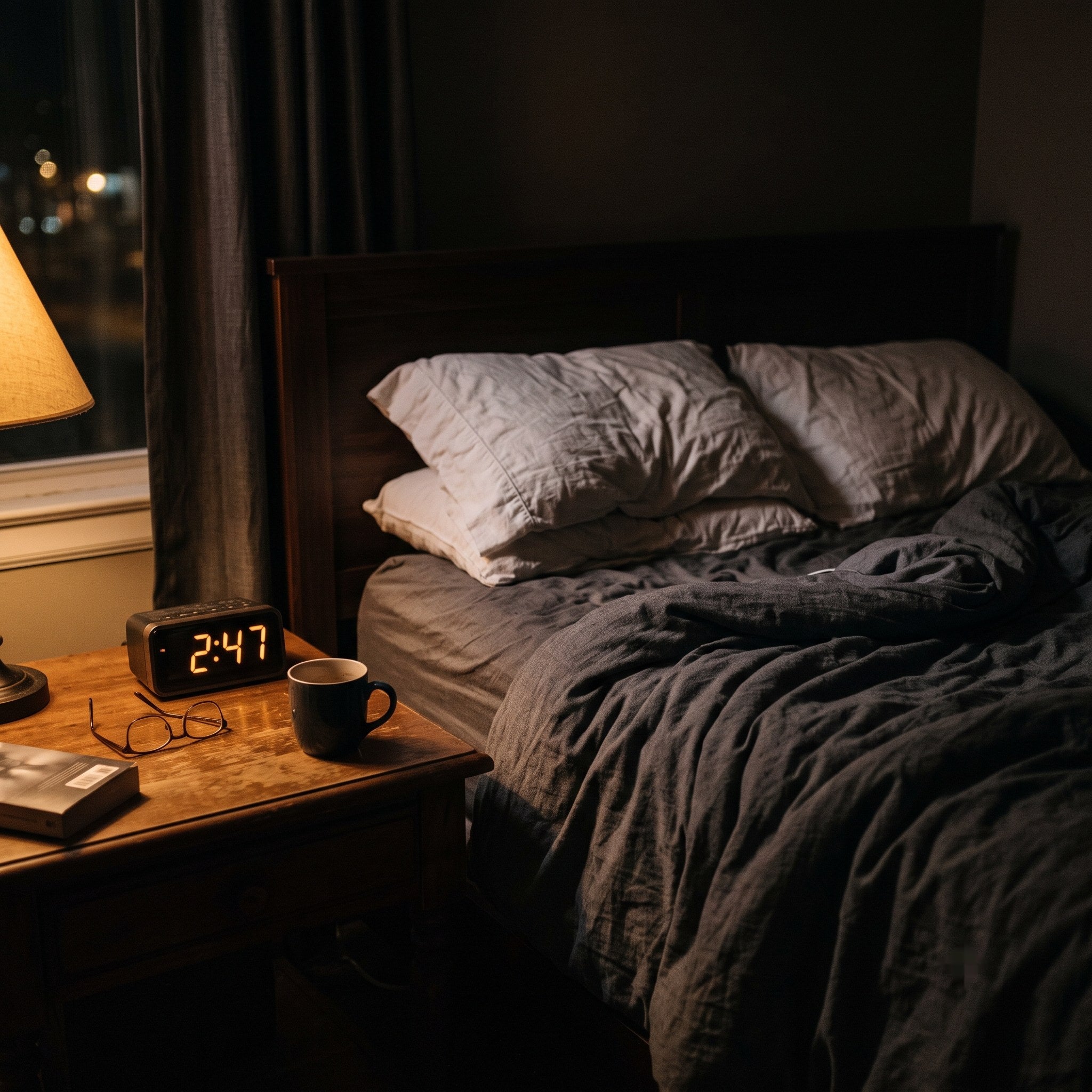
It’s 2:47 in the morning.
You know this scene, because if you’re reading this, some version of it is probably yours. You’re awake again — not from noise, not from any worry you can name, but from that heavy, over-full feeling in your midsection that showed up sometime in your fifties and never really left. You shift onto your side. You shift back. You do the math on how many hours are left before the alarm.
And somewhere underneath it is the thought you keep not saying out loud: I eat okay. I barely drink anymore. So why do I still feel like this?
We started researching this article because that exact question kept surfacing — in wellness forums, under longevity podcasts, in conversations with people in their fifties, sixties, and seventies who had done “everything right” and still felt heavy, foggy, and flat in a way no early bedtime fixed.
What we found was not a miracle. It was something stranger: a category of light technology with decades of legitimate research behind it, machines priced like used cars humming away in wellness clinics and university labs — and almost nobody bringing any of it home to the one hard-working organ that never, ever gets a break.
This is the story of how that changed.
The Organ That Never Clocks Out
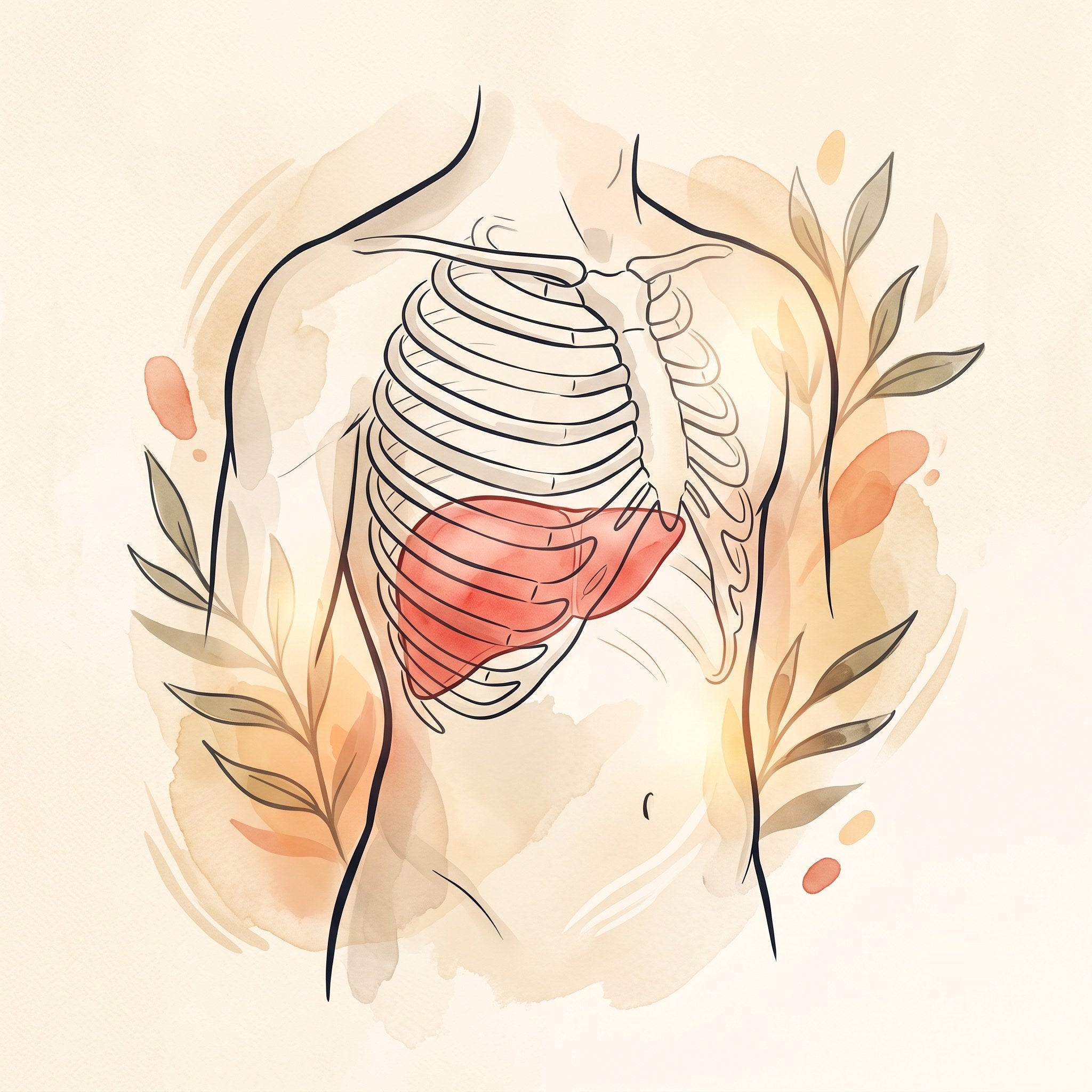
Here is a fact most people never once think about: your liver is working right now. It worked all through last night. It will work through every vacation, every holiday, every year you have left. It filters, processes, converts, and stores — handling an enormous share of your body’s daily chemistry — and unlike your legs after a long walk or your eyes after a screen day, it never gets a designated rest.
Now think about how modern life treats it. Decades of restaurant meals. The wine years. The stress years. The medication years. And the sitting — so much sitting — with your torso folded forward and your midsection compressed for eight, ten, twelve hours a day.
Then think about how much deliberate care that region of your body has ever received. Your teeth get two minutes, twice a day, for life. Your muscles get the gym. Your skin gets an entire bathroom shelf.
Your liver area gets nothing. No warmth. No dedicated minutes. No direct attention of any kind — for most people, not once in an entire adult life.
That asymmetry is what this article is about. Because when we asked engineers and wellness researchers what an ordinary person could actually do — physically, locally, at home — for the most overworked region of the body, the answers kept pointing at the same two things: light and warmth.
The Cabinet Full of Half-Finished Bottles
Before we get there, let’s be honest about what most readers have already tried. If this list stings, it’s because it’s yours:
- Milk thistle — three different brands, because the first two “must have been low quality.”
- NAC capsules, because a podcast said so.
- Detox teas that mostly taught you where every restroom in the building is.
- A keto run that lasted six weeks and one birthday party.
- Intermittent fasting that left you lightheaded at 11 a.m. and heavy again by 9 p.m.
- Choline, dandelion, artichoke extract — the cabinet’s second shelf.
- “I’ll just drink more water” — genuinely good advice that still never touched the evening heaviness.
- Waiting. The most expensive one, because it’s priced in months.
Add up your own receipts sometime. Most people a year or two into this routine land somewhere north of what a decent vacation costs — and the thing they were actually buying, every time, was the same thing: the hope of waking up feeling light again.
Meanwhile, the real losses never appear on a receipt. The belt notch you quietly moved. The evening plans you started declining because by 7 p.m. you just want to lie down. The photo you stayed out of. The 2 p.m. energy you now have to ration like money.
None of that shows up on a receipt. All of it shows up in a life.
The Pattern, Stated Plainly
And here is the part that matters most: the gap is not your fault. You did the reasonable things. You bought the bottles, tried the diets, drank the water. But every tool you were handed works from a distance — swallowed, sipped, or willed into existence — while the region of your body doing the heaviest work has never once received anything directly.
The Question That Started This Investigation
Our investigation began with a simple, almost silly question:
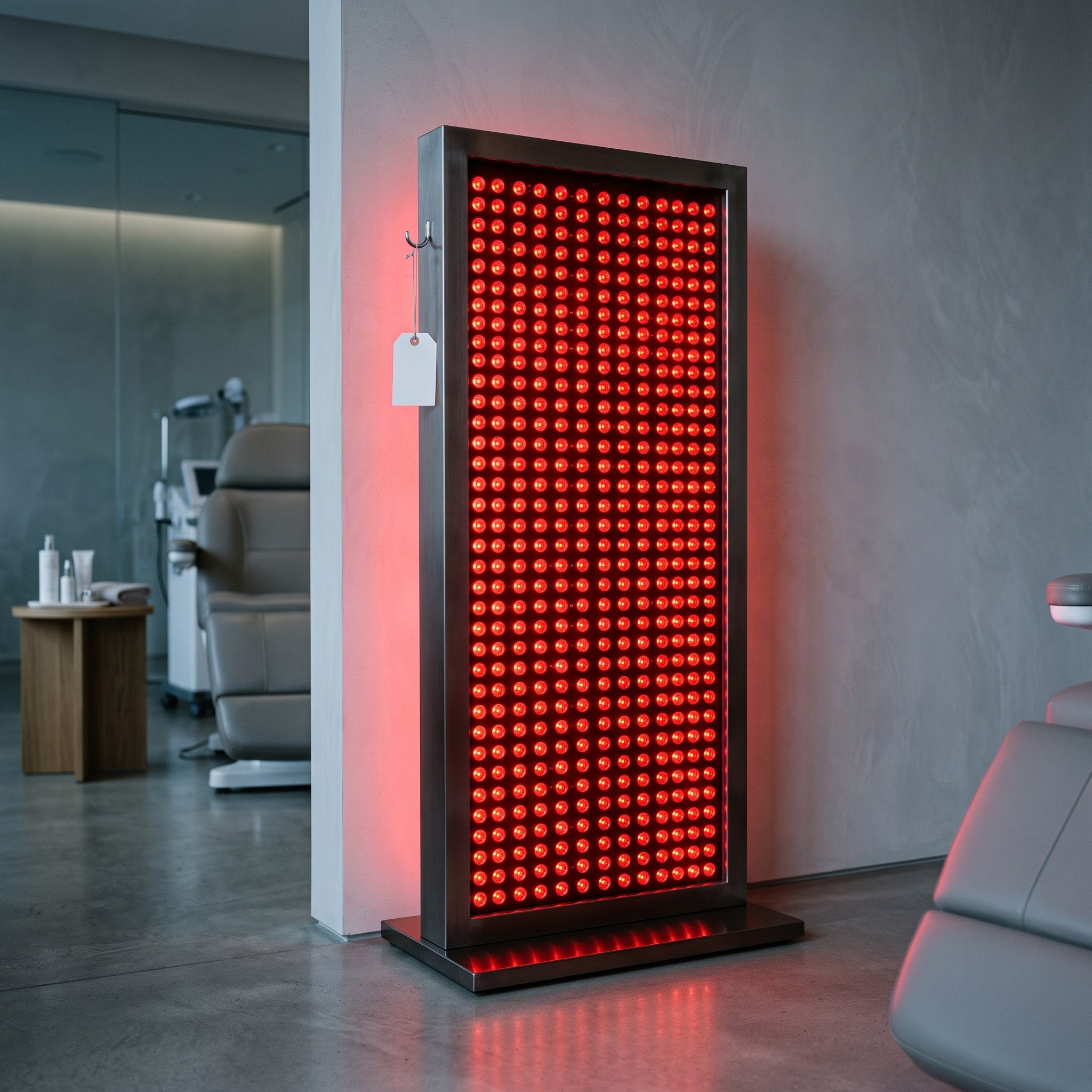
Why do wellness clinics and research labs own $14,000 light machines — and what do they believe all that light is doing?
The field is called photobiomodulation, and it is not fringe. Its modern era traces in part to NASA-funded research in the 1990s, when scientists studying LED light sources for growing plants in space began examining what red light might do for cells and tissue. In the decades since, red light has become the most-studied technology in the field, examined in published research for its relationship to cellular energy processes and circulation.
Clinics noticed. Today, professional panel systems sell for four and five figures, and light-therapy sessions are booked out weeks ahead in wellness studios from Miami to Seattle.
Which raised the obvious follow-up. A capsule has to survive your stomach and travel your entire digestive system before any fraction of it matters. Light takes no such route. Light goes exactly — and only — where you point it.
So why was nobody pointing it at the hardest-working region of the body?
Why the Heaviness Peaks at Night

To understand why an ordinary day ends the way yours does, picture the load on your midsection as four things stacking — a loop with no built-in exit:
One. Your liver region never gets a rest window. Every meal, every drink, every late snack keeps the workload continuous. It is the one part of your body with no off-season.
Two. Modern eating keeps that workload historically high. Even a “pretty good” American diet asks more of this system, day after day, than almost any diet in human history.
Three. Modern posture compresses the area. Hours of sitting fold your torso over the exact region doing the heaviest work — while overall circulation naturally slows with age and inactivity.
Four. And through all of it, the area receives zero targeted care. No light. No warmth. No deliberate minutes. Worked constantly; tended never. So tomorrow the loop starts again a little heavier than today.
Stack those four and the shape of your day explains itself: the waistband that fits at 8 a.m. and pinches by 2 p.m. The heaviness under the right ribs at dinner. The afternoon fog that settles like a blanket over your head. The 2:47 a.m. ceiling.
One thing we’ll say plainly here and again before the end: persistent or worsening symptoms deserve a doctor, not a gadget. Everything that follows is about daily comfort and self-care for the area — not diagnosis, not treatment. But the gap we found is real: everything sold for this region works indirectly. Almost nothing works locally.
What We Found on the Test Bench
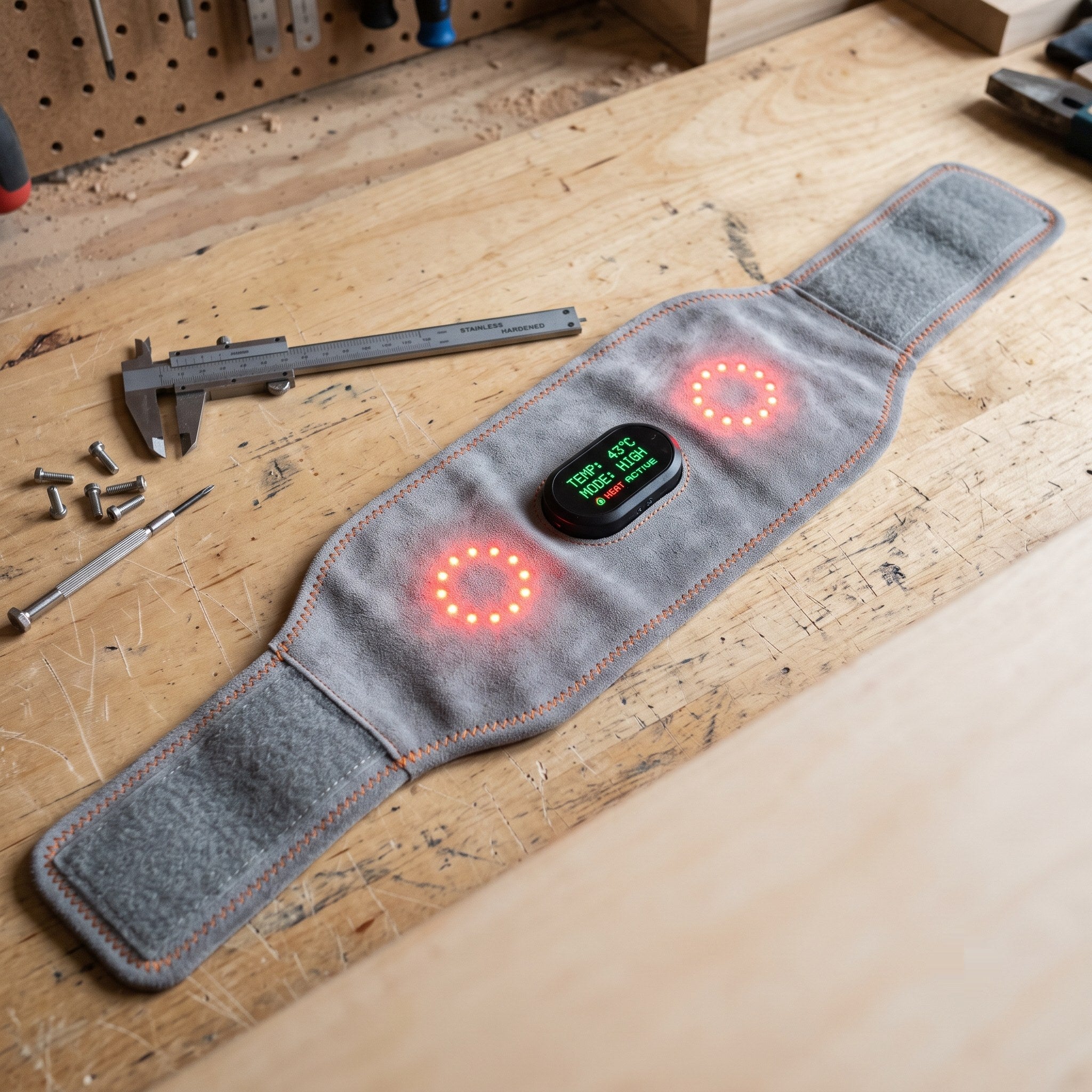
Here’s the analogy the photobiomodulation field keeps returning to, and it’s a good one: think of the energy-producing structures inside your cells as tiny batteries. Everything your tissue does runs on them. The entire premise of red-light research — the reason those clinic panels exist at all — is that specific wavelengths of light have been studied for decades for how they interact with exactly those cellular energy processes.
You can’t recharge a battery by swallowing one.
Or think of a houseplant left in a dark closet. It wilts — not because it’s broken, but because the thing it runs on isn’t reaching it. Open the door, and it revives. That intuition — that living tissue responds to light — is what NASA-funded researchers began mapping in the 1990s and what an entire scientific field has been studying since.
The machines that deliver it in clinics are excellent. They are also the size of a door, priced like a used car, and bolted to a wall in a building you have to drive to.
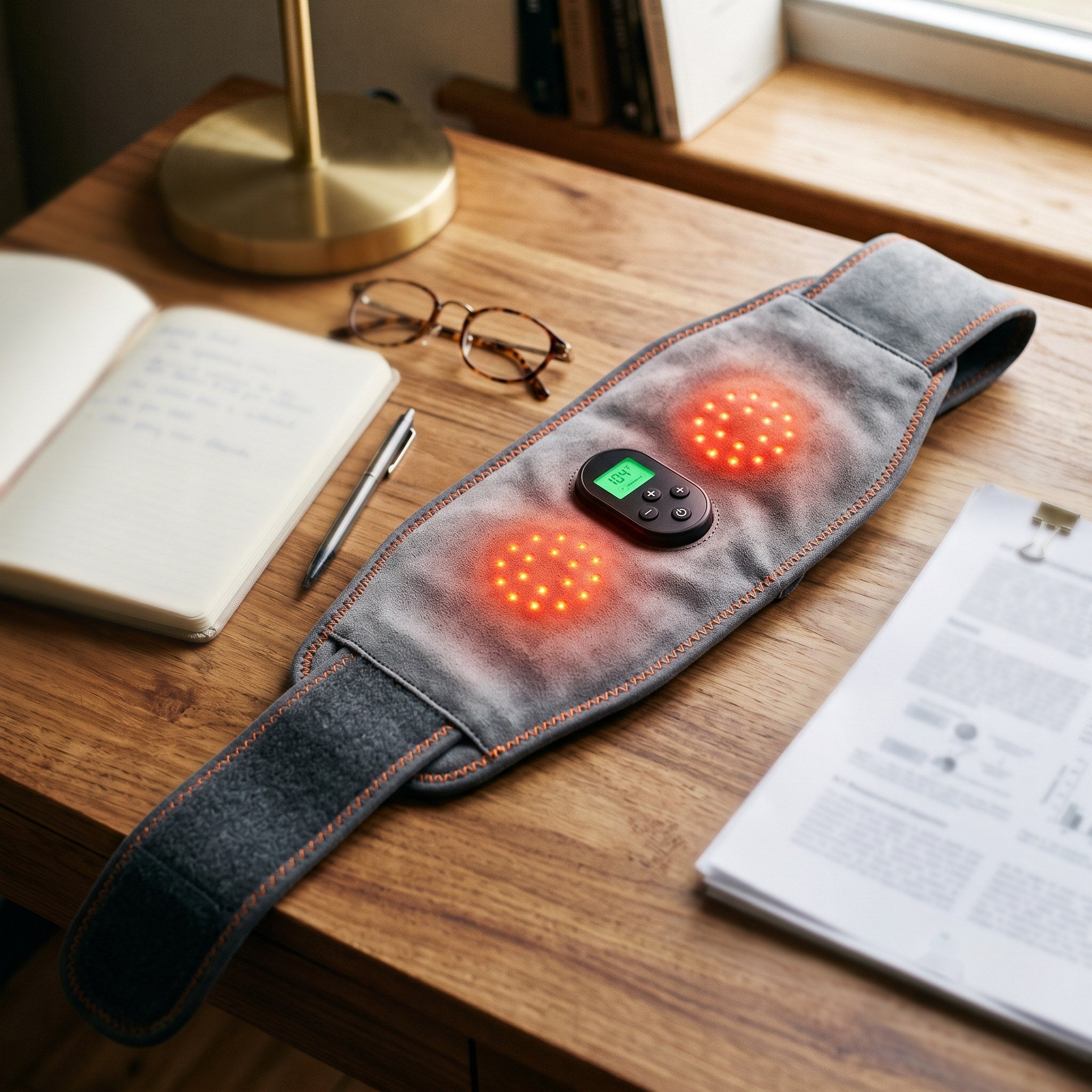
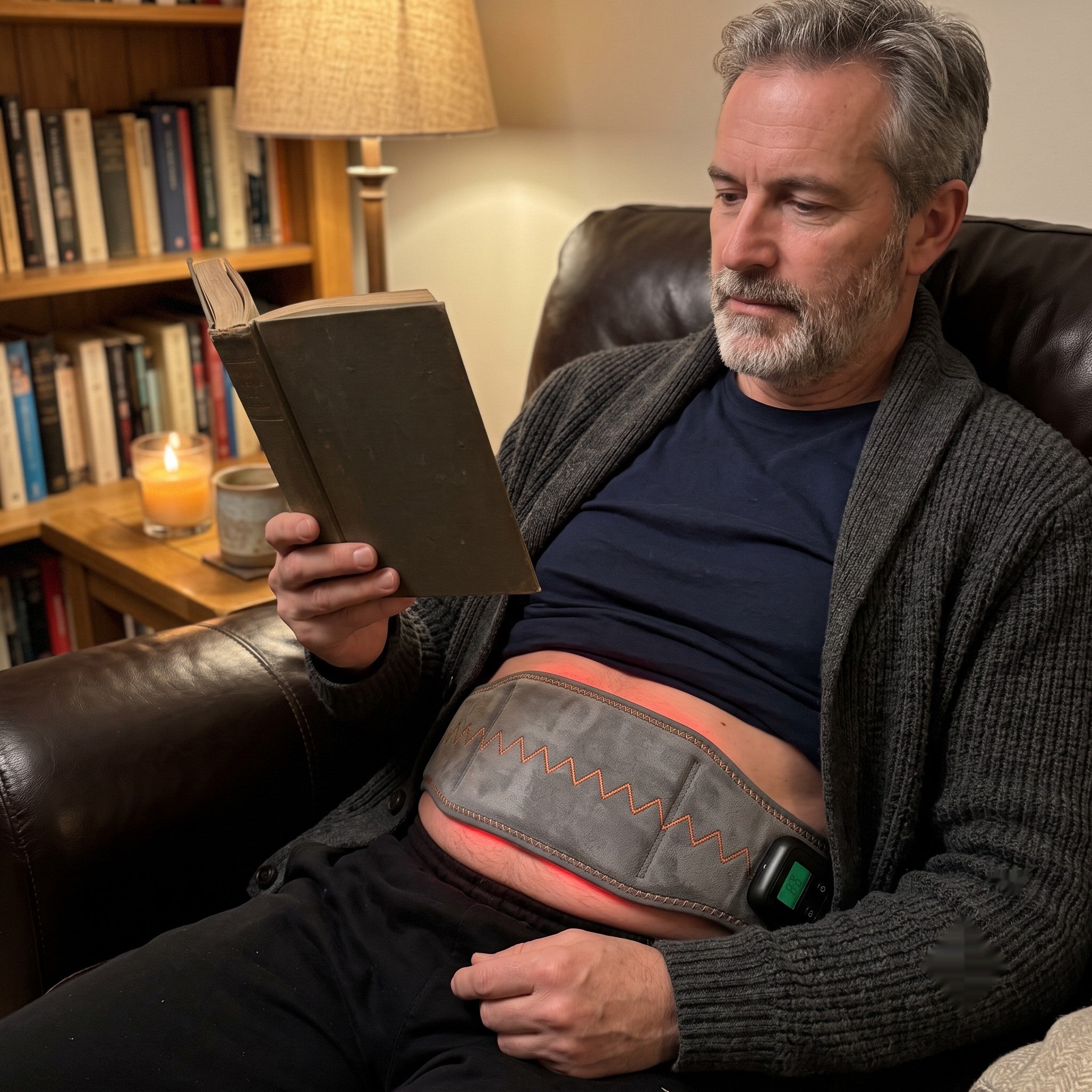
Which brings us to the device this article is actually about. The LumaVena Liver Belt, from the US wellness brand Thervana, takes the three relevant technologies out of the clinic format and folds them into a soft, cordless belt you position over your liver area — the upper-right abdomen — for fifteen minutes at a time:
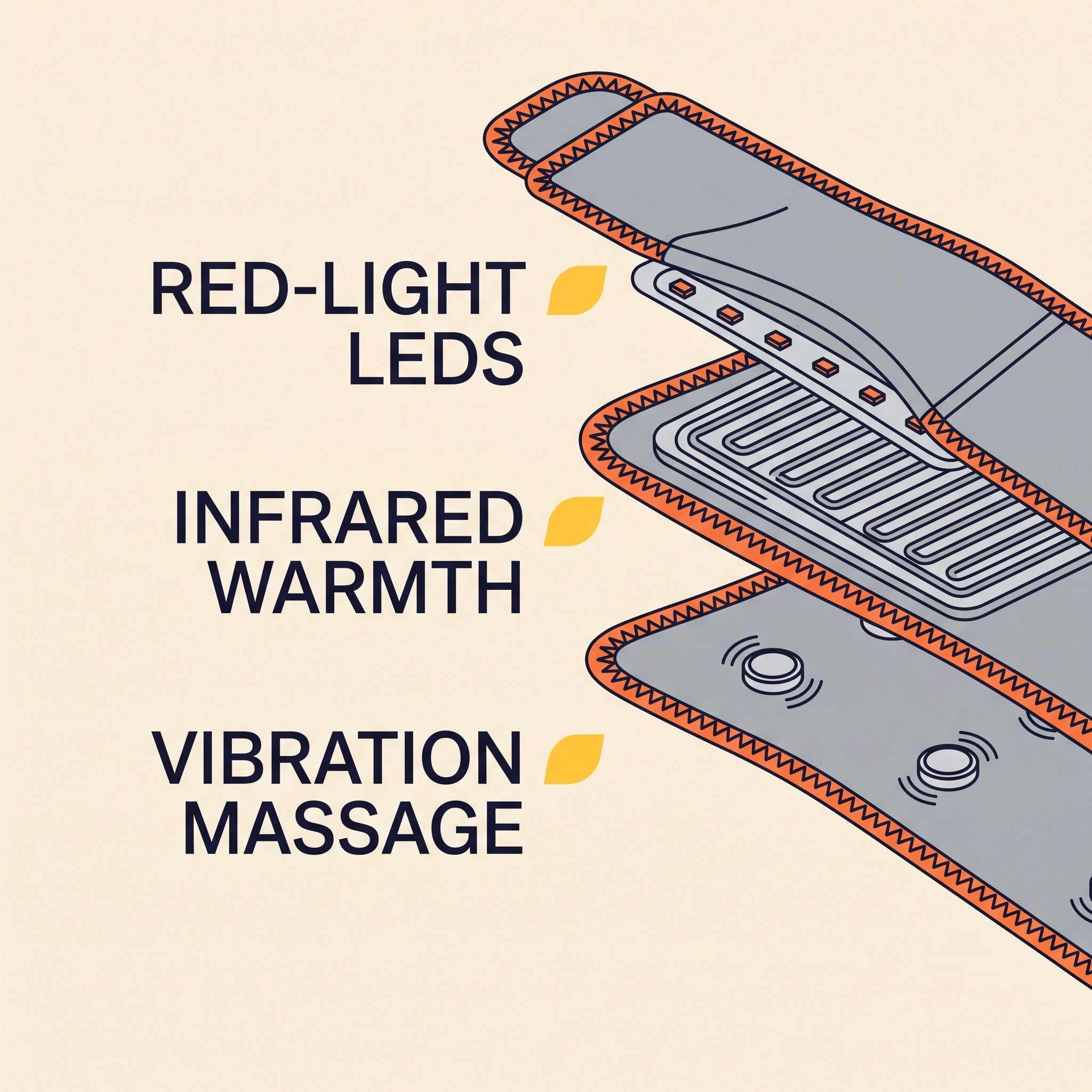
- Red light. The classic photobiomodulation technology, delivered by twin LED clusters resting directly against the area — the same red light the field’s cellular-energy research is built around, applied locally instead of across a room.
- Infrared warmth. Three levels of gentle, auto-regulated heat — a soaking warmth that carries the session past the surface, toward comfort a warm towel never holds.
- Vibration massage. Three levels of soft, rhythmic massage, supporting local circulation and relaxation, and giving the session the kneading-hands feeling that makes fifteen minutes something you look forward to.
Red light for the cells. Infrared warmth for the depth. Massage for circulation and comfort. All three at once, in one belt, with no wall plug — a 5000 mAh battery runs it cordless and recharges over USB in 2–3 hours, like a phone.
The first time we strapped one on at the office, the honest reaction was a raised eyebrow. Fifteen minutes later, the honest reaction was that nobody wanted to hand it back.
What the 15-Minute Habit Actually Looks Like
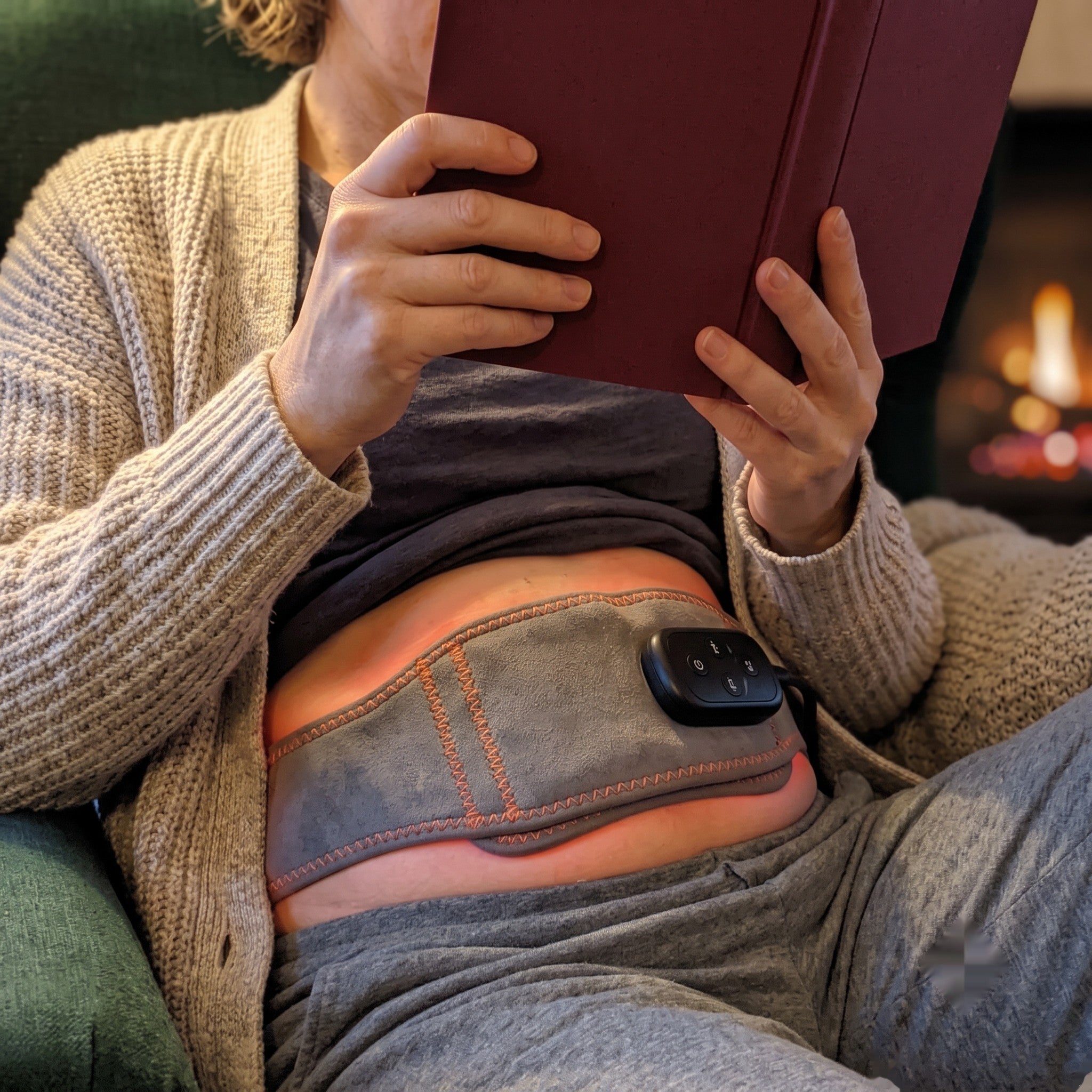
Every body is different, and we refuse to promise you anyone else’s results. So here is what we can honestly describe instead: what the routine itself looks like as it becomes a habit.
The first evening. You charge it, strap it over your upper-right abdomen, press the button, and sit down. Warmth arrives first, then the low red glow. Fifteen minutes later, it’s done. Most people spend the session reading, watching TV, or doing absolutely nothing — which may be the first fifteen minutes of deliberate nothing this part of your body has ever received.
Week one. The session finds its slot — after dinner for some, right before bed for others. It becomes the border between “the day” and “the rest of the night.”
Week three. It’s automatic, the way brushing your teeth is automatic. You stop thinking of it as a device and start thinking of it as the quietest part of your evening.
Day ninety. The honest checkpoint — and the one Thervana’s guarantee is built around. Ninety days of fifteen quiet minutes, and then you judge: do your evenings feel different? Has the ritual earned its place? If the answer is no, you send one email and get your money back. More on that guarantee below — it’s the strongest we’ve seen in this category.
From Clinic Panels to a Belt You Can Own
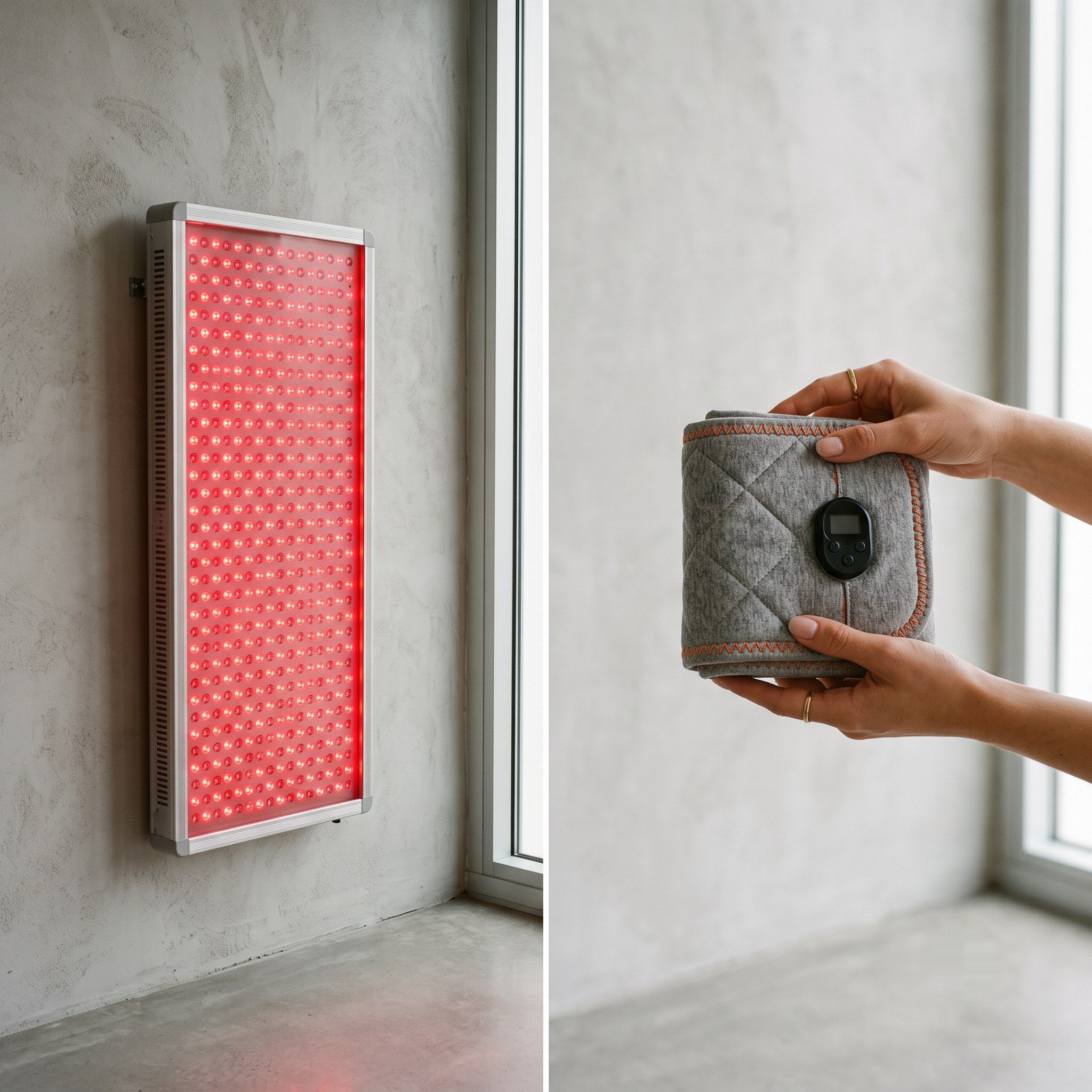
The engineering brief behind the LumaVena is easy to state and hard to execute: take what the $14,000 wall panels deliver — the studied red-light technology — and solve the three reasons nobody uses them at home.
Problem one: panels light up a room, not a region. A flat panel across the room scatters light everywhere. A belt curves its LED clusters directly against the one area you’re trying to reach — zero distance, zero waste.
Problem two: cords chain you to a wall. The LumaVena runs on a 5000 mAh rechargeable battery — good for multiple sessions per charge — so the session happens in your chair, your bed, or your porch. Not wherever the outlet is.
Problem three: clinics run on appointments. Fifteen minutes at home, whenever your evening allows, costs nothing after the first purchase. No booking. No drive. No per-session fee, ever.
Thervana named it LumaVena — light and vein — for the idea underneath the whole product: bringing light and warmth to a place that has spent decades working in the dark.
Who This Was Built For
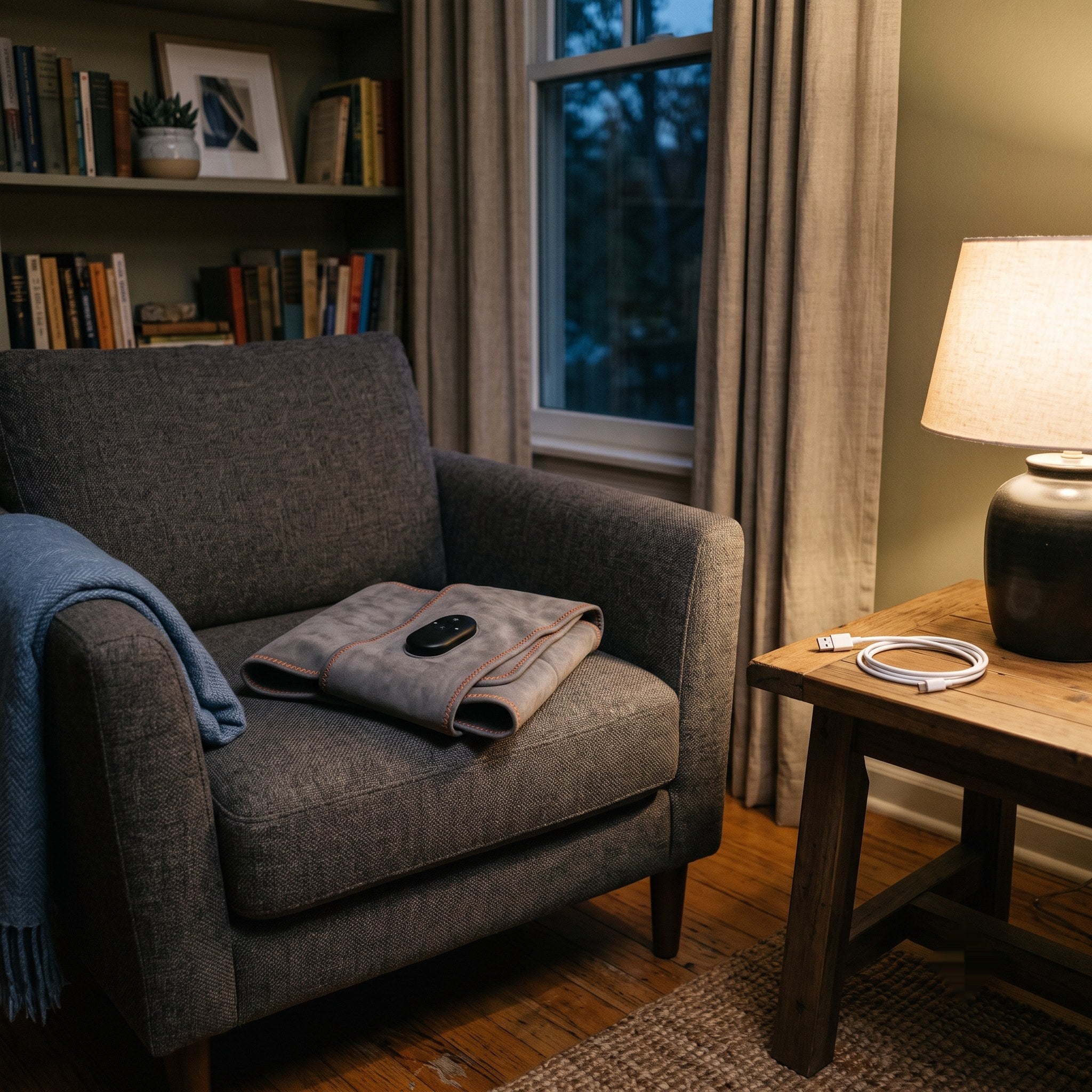
No two readers arrive at this article the same way, but after months on this story we can describe the four situations that surface again and again. These are not testimonials, and we won’t dress them up as any — they’re the archetypes this belt was designed around. If one of them is you, you’ll know it instantly:
The one whose evenings shrank. Somewhere along the way, “let’s go out” became “I just need to lie down.” Not sick — just heavy, spent by 7 p.m., and quietly afraid that this is simply what the next twenty years feel like.
The one who already quit the wine. They did the hard part — cut way back, or stopped entirely — and privately expected to feel transformed. Months later, the midsection heaviness is still there, and nobody warned them the feeling doesn’t just pack up and leave on its own.
The one buying for someone else. A spouse, a parent, a brother who would never buy himself a “wellness device” — but will absolutely use one that shows up charged, wrapped, and sitting on his chair. (This is exactly why the two-belt option exists.)
The veteran. If your service years ran your body harder than most bodies get run in decades, and the answer ever since has mostly been “here’s another bottle” — there’s a section of this article written specifically for you, just below.
If you found yourself in that list, keep reading.
So Here’s Exactly What It Does
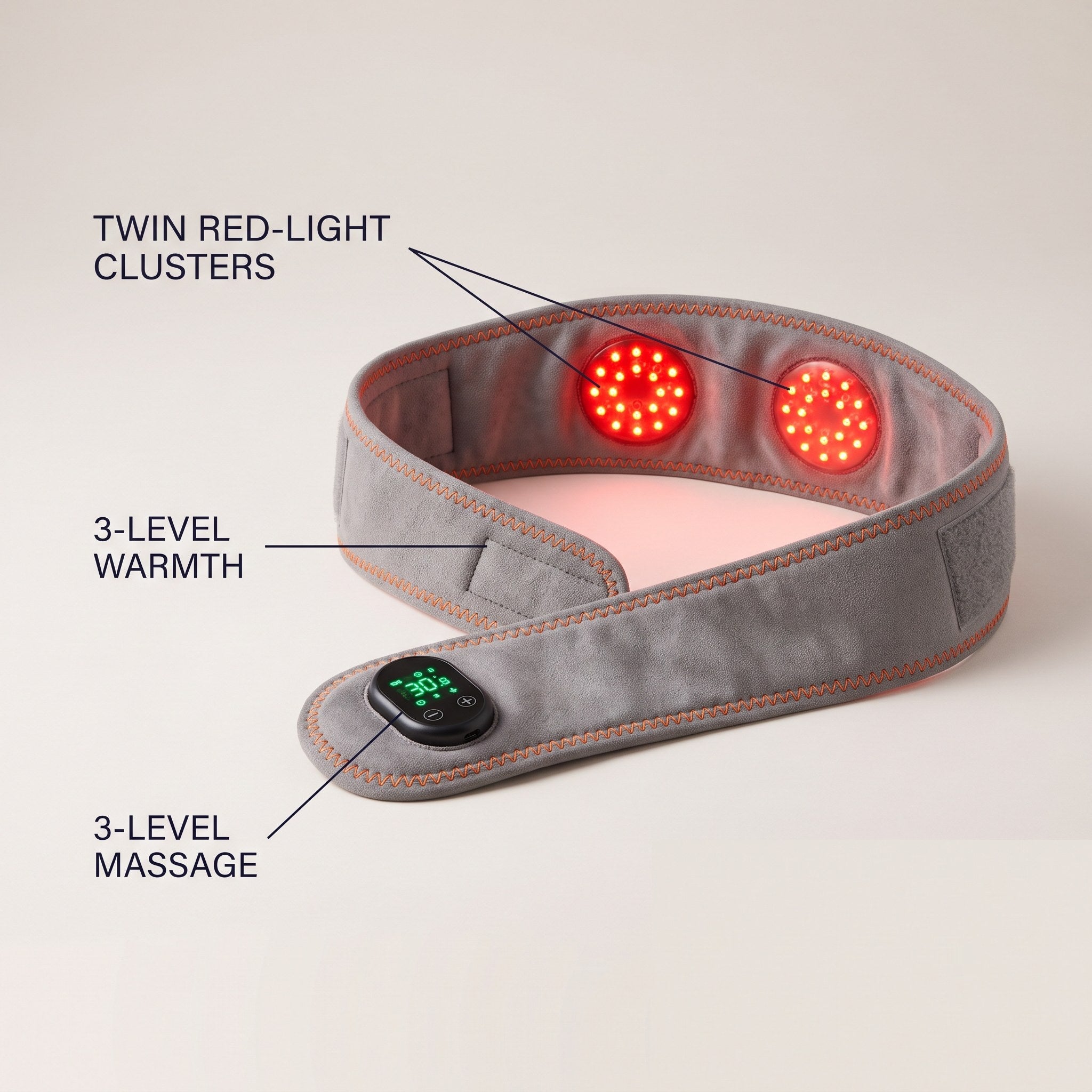
Strip away the story and the LumaVena Liver Belt is three technologies in one wearable, each with a specific job:
| Technology | What it is | What it’s designed to do |
|---|---|---|
| 1. Red Light — Twin LED Clusters | LED clusters emitting the most-studied light in photobiomodulation research, positioned directly against the skin over your liver area | Deliver the clinic-panel technology locally — the red light an entire field of cellular-energy research is built around |
| 2. Infrared Warmth — 3 Levels | A gentle infrared-style heating element with three levels and automatic regulation so it stays gentle | Carry the session past the surface — the soaking warm-compress comfort a towel can’t hold |
| 3. Vibration Massage — 3 Levels | A soft vibration motor woven through the belt, with three intensities from a barely-there hum to a firm, steady rhythm | Support local circulation and relax the area — the kneading comfort that makes the habit stick |
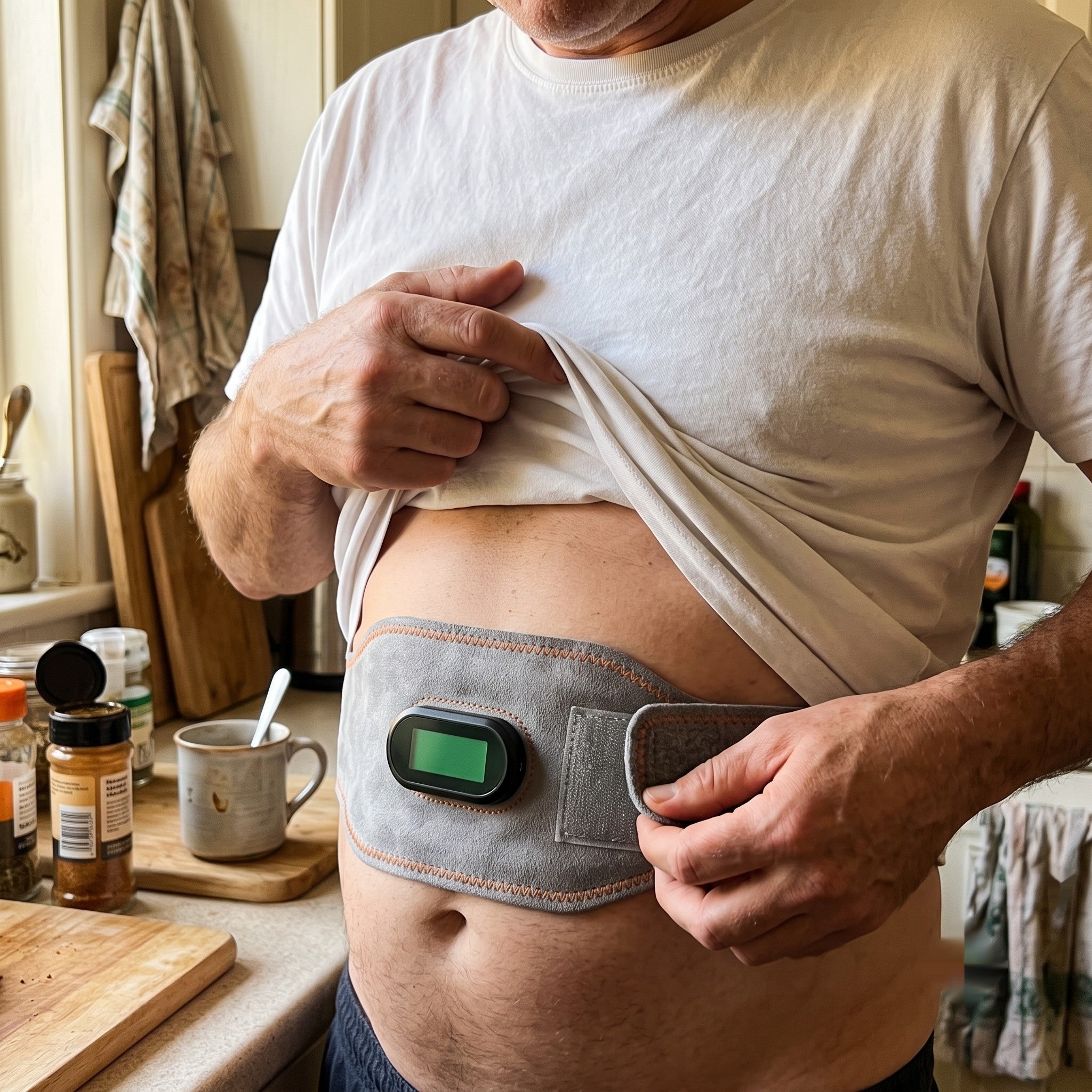
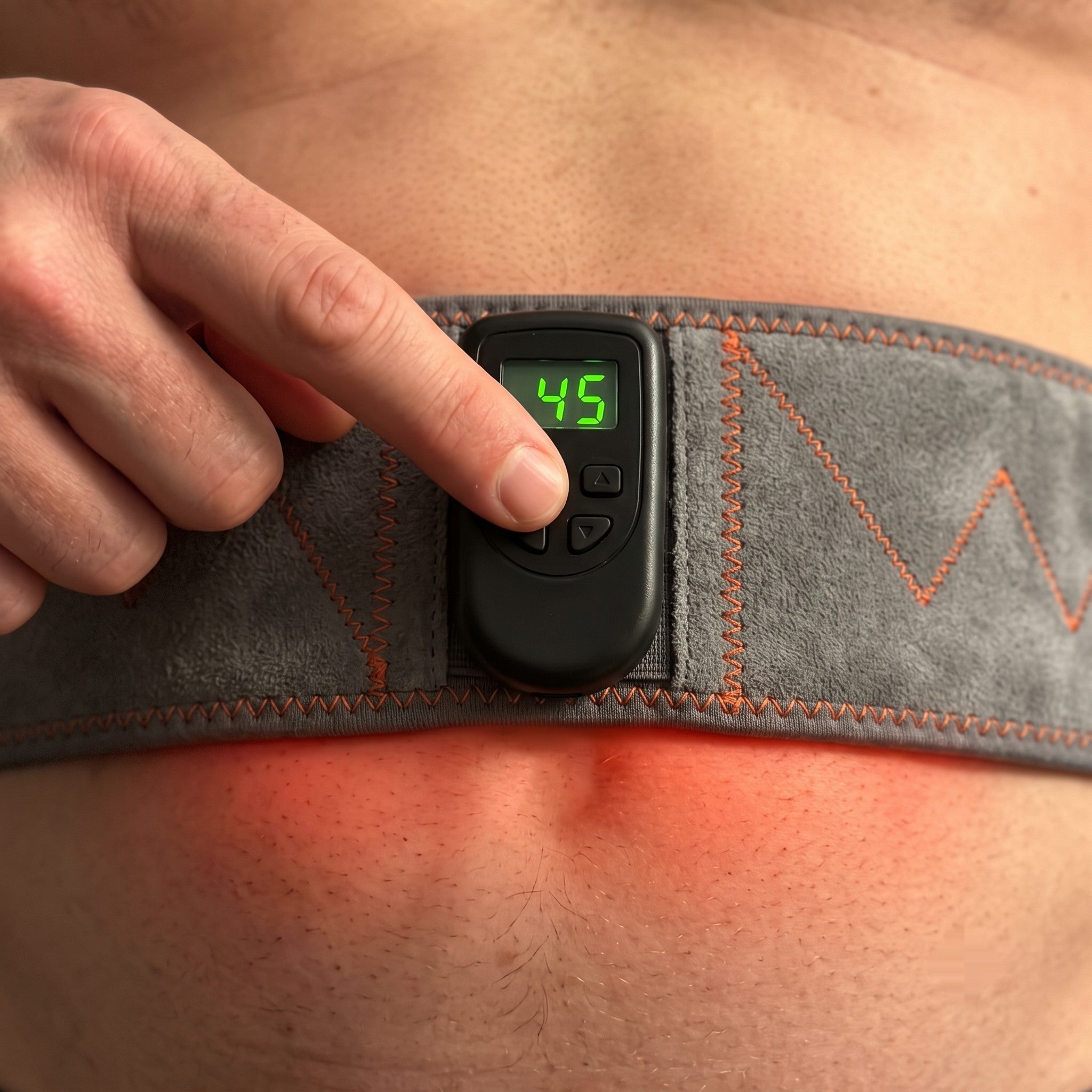
Strap the belt over your upper-right abdomen — or anywhere you want light and warmth; the lower back works too — press the button, and give it fifteen minutes. Cordless. Adjustable, with an extension strap included. One size fits most.
How It Works: 3 Steps, 15 Minutes
90-Day Money-Back Guarantee · 1-Year Warranty · Free US Shipping
Today $109 · Regular price $219
Let’s Do the Math Honestly
Set the feelings aside and run this the way you’d run any purchase. Approximate US retail figures — verify any of them with a search:
| The usual route | Typical US cost | How often | The 5-year picture |
|---|---|---|---|
| Milk thistle & liver-support supplements | $25–60 a bottle | Every month, forever | Thousands — swallowed and gone |
| “Detox” teas & cleanse kits | $30–80 a round | Several rounds a year | Hundreds a year, plus the aftertaste |
| Red-light sessions at a wellness studio | $40–100 a session | Weekly, if you keep it up | Thousands a year, plus the driving |
| A professional-grade light panel | $2,000–$14,000+ | Once — if you have a spare wall | Costs more than most used cars |
| Massage & spa “circulation” packages | $80–150 a visit | Monthly at best | Adds up faster than all of them |
| Doing nothing | $0 | Daily | Free — and you already know exactly how it feels |
| LumaVena Liver Belt | $109 once (reg. $219) | 15 minutes a day, for years | $109. That’s the entire column. |
Not $109 a month. Once. Less than three or four months of a supplement habit — for a device you’ll still be pressing the button on years from now.
For the Veterans Reading This

A specific word for a specific group of readers.
If you served, there’s a fair chance your body was run harder in a few years than most bodies get run in a few decades — the food, the hours, the stress, the celebrating afterward, all of it. And there’s an equally fair chance that in the years since, the standard answer to “I just feel heavy and worn down” has been one more bottle for the cabinet.
The LumaVena won’t rewrite that history, and we won’t insult you by pretending otherwise. What it offers is narrower and more honest: fifteen quiet minutes of light and warmth, delivered directly to the hardest-worked region of your body, on your schedule, in your own chair. Drug-free. Nothing to swallow. Nothing to interact with anything else you take — though as with any wellness device, run it past your doctor if you’re managing a condition.
You spent years looking after everyone else. This is fifteen minutes a day of looking after you.
90 Days, Zero Risk
The “Feel Lighter or Refunded” Guarantee — 90 Days + 1-Year Warranty
Thervana’s guarantee is the strongest we’ve seen in this category, so we’ll state its terms plainly:
Use the LumaVena Liver Belt for ninety days — fifteen minutes a day. If at the end of ninety days your evenings don’t feel better, the ritual hasn’t earned its place, or you simply wish you had the money instead, email one line to support@thervana.store — “It wasn’t for me.” — and every penny comes back. No forms. No phone calls. No convincing-you-otherwise.
Separately from the refund window, every belt carries a full 1-year warranty: if anything goes wrong with the device itself, it gets replaced.
- 90-Day Money-Back Guarantee
- 1-Year Device Warranty
- One-line email is all it takes
- No questions asked
The entire risk of this decision sits with Thervana — not with you. That’s how it should be.
Two Roads From Here

Road 1 — Change Nothing
- Reorder the supplements and hope brand number four is somehow different.
- Keep the detox-tea drawer stocked and the results identical.
- Keep declining the evening plans, one polite excuse at a time.
- Keep meeting the 2:47 a.m. ceiling with the same heavy feeling.
- Watch the evenings keep shrinking to the size of one chair.
Road 2 — Give It Fifteen Minutes a Night
- Spend less, once, than a few months of the supplement habit.
- Give your liver area the first direct, deliberate care it has ever received — light and warmth, fifteen minutes a night.
- Let the 90-day guarantee carry every ounce of the risk while you find out.
- Keep the evenings, the plans, and the energy for the people who want you at the table.
- And if it isn’t for you — one email, full refund, no hard feelings.
90-Day Guarantee · 1-Year Warranty · Free US Shipping · Not sold on Amazon or eBay
A note from the desk, because honesty is the entire point of this publication.
The LumaVena is a wellness device. It is not a medical treatment, it does not diagnose or cure anything, and there are situations where a comfort belt is the wrong answer entirely. If your skin or eyes have taken on a yellow tint, if your abdomen is swelling with fluid, if you’re experiencing confusion, dark urine, severe or persistent pain under your right ribs, or unexplained weight loss — stop reading articles and see a doctor now. Those signs deserve a professional, promptly. And whatever your situation, talk to your own doctor before changing anything about your medications or supplements.
For everyone else — for the heavy evenings, the sluggish mornings, and the organ that has worked every single day of your life without one minute of direct care — this is fifteen quiet minutes a night, protected by ninety days of zero risk. We researched it, we tested it, and it earned this article.
— The Health Desk, The Liver & Longevity Journal
P.S. Somewhere in your house is a chair you sink into at the end of every day. The whole idea of this product fits in one sentence: for fifteen of those minutes, let the chair time count for something.
P.P.S. Thervana is holding the $109 launch price (regular $219) for readers of this article — and this production run is nearly allocated. If the button below still works, the launch price still stands.
Today $109 · Regular price $219
What Owners Say
Frequently Asked Questions
1. What exactly is the LumaVena Liver Belt?
A cordless wearable belt combining twin red-light LED clusters, three levels of gentle infrared warmth, and three levels of vibration massage, worn over the liver area (upper-right abdomen) in 15-minute sessions. It’s a wellness and comfort device — not a medical treatment.
2. Will it help with my diagnosed condition?
We can’t and won’t promise that. If you have a diagnosed liver condition — or any of the warning signs listed in the note above — your doctor leads, full stop. The LumaVena is designed to support relaxation, local warmth, and a daily self-care habit; it does not treat, cure, or replace medical care of any kind.
3. How is light different from a supplement?
A capsule is swallowed and takes the long route through your digestive system. Light is applied directly, and only where you place it. Neither is a treatment — but only one of them ever physically reaches the area at all, and that difference is the premise of this entire article.
4. Is it safe to use alongside my medications and supplements?
There’s nothing to swallow and nothing systemic about a light-and-warmth belt — which is exactly why many people like it. That said: if you’re managing a condition, take medication, are pregnant, or have an implanted device, check with your doctor before adding any wellness device.
5. Is it suitable for people in their seventies and eighties?
It was designed with exactly that comfort-first user in mind: one button, no wires, gentle auto-regulated warmth, and a fully adjustable strap. If you can press a button and sit in a chair, you can run a session.
6. Can I buy it for my husband, wife, or a parent?
That’s precisely what the two-belt option is for — one for you, one for someone who needs it. It arrives ready to gift: charge it, strap it, press the button.
7. How long before I notice anything?
Honestly: it varies, and anyone who hands you a precise timeline is selling too hard. The warmth and the relaxation are immediate — that’s physics. Everything else is personal, which is exactly why the guarantee runs ninety days: enough time to judge for yourself, at zero risk.
8. What if it doesn’t work for me?
Then it costs you nothing. Ninety days, one email to support@thervana.store, full refund, no questions. Plus a 1-year warranty on the device itself.
Launch offer: Today $109 · Regular price $219
90-Day Money-Back Guarantee · 1-Year Warranty